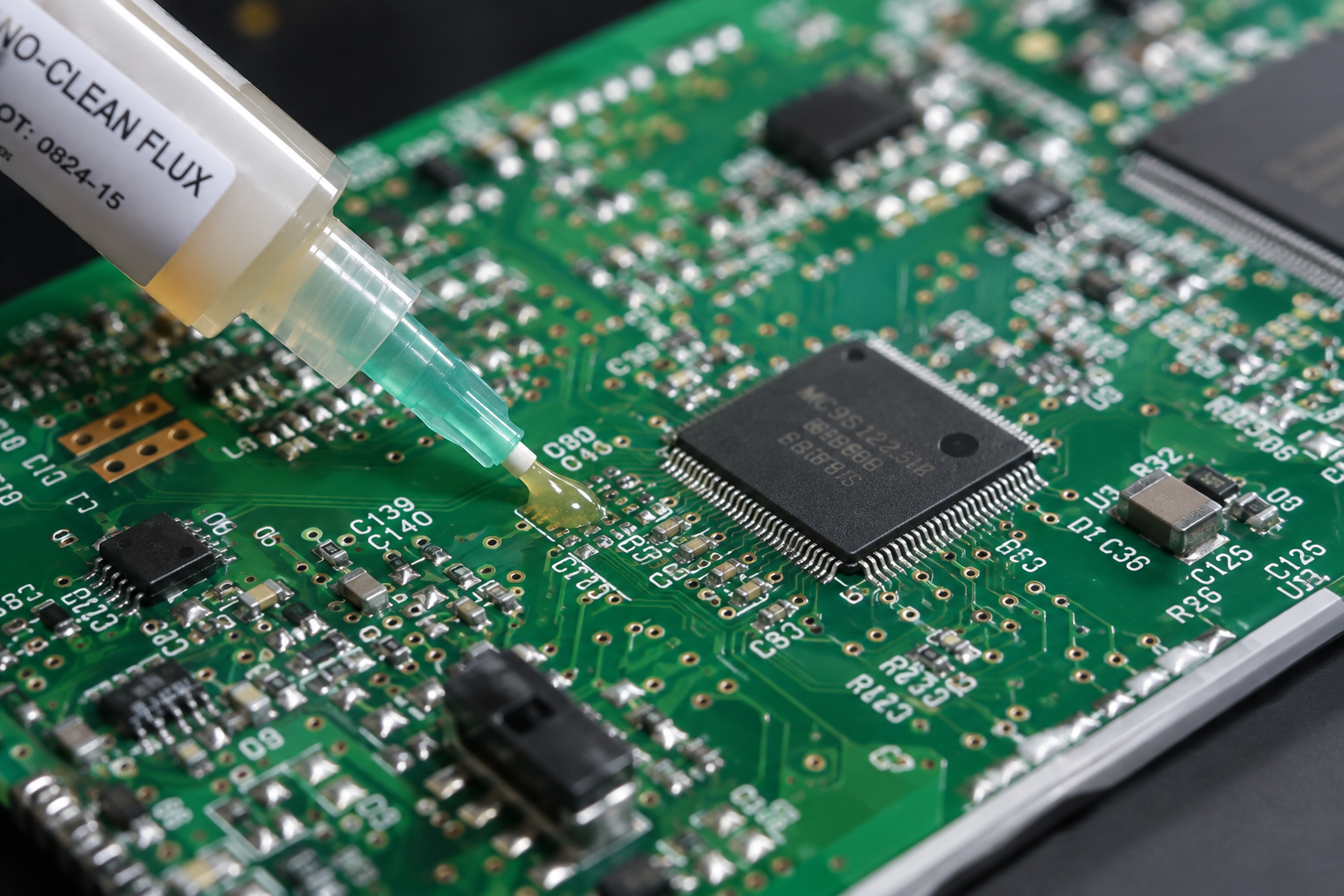
What Does Solder Flux Do?
If you're new to soldering, you've probably heard people recommend using flux. But what exactly does it do?
Solder flux is a chemical cleaning agent that removes oxidation from metal surfaces and helps molten solder flow smoothly onto pads and component leads.
Without flux, solder often struggles to bond correctly, leading to weak or unreliable joints.
Why Is Flux Important?
During soldering, metal surfaces quickly oxidise when heated.
Flux helps by:
- Removing oxidation
- Preventing further oxidation while soldering
- Helping solder flow evenly
- Reducing solder bridges
- Producing cleaner solder joints
When Should You Use Flux?
Flux is useful for almost every electronics repair, especially:
- Phone motherboard repairs
- Charging port replacements
- HDMI port replacements
- USB-C repairs
- Fine-pitch IC work
- Reworking existing solder joints
Many professionals add extra flux even when using flux-cored solder.
Different Types of Flux
Common types include:
- No-clean flux
- Rosin flux
- Water-soluble flux
Each has different cleaning requirements and is suited to different applications.
Can You Use Too Much?
Using too much flux generally won't damage a repair, although it can leave residue depending on the type used.
Many technicians simply clean the board afterwards using isopropyl alcohol.
Conclusion
Flux is one of the simplest ways to improve soldering quality.
Whether you're replacing a phone screen connector or repairing a game console motherboard, using the correct flux makes soldering easier and helps create stronger, more reliable joints.